Construction projects often begin with excitement, detailed plans, and high expectations. However, even well-planned builds can face unexpected challenges when small mistakes go unnoticed during the early stages. Many of the most costly problems do not come from major structural failures but from overlooked details that slowly create delays, budget issues, or long-term performance problems. Understanding these hidden construction mistakes—and learning how to prevent them—can make the difference between a smooth project and one that becomes frustrating and expensive over time. Visit Our Website Here for additional information.
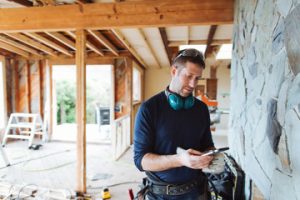
One of the biggest misconceptions about construction is that problems only arise from poor workmanship. In reality, many issues start during planning, communication, or material selection. When decisions are rushed or critical steps are skipped, the results may not become visible until weeks or even months later. By approaching construction with a proactive mindset and a focus on long-term outcomes, property owners and project teams can avoid common pitfalls and build with confidence.
Overlooking Detailed Planning and Preparation
A strong construction project begins long before the first tool is used. Skipping detailed planning is one of the most common hidden mistakes, especially when timelines feel tight. Without a clear vision and structured process, even small adjustments during construction can lead to costly redesigns or delays. Planning should include accurate measurements, realistic timelines, and thorough discussions about design goals. When preparation is incomplete, projects often face confusion that disrupts workflow and increases stress.
Another planning challenge is underestimating how different elements interact. For example, electrical systems, plumbing layouts, and structural components must work together seamlessly. If one aspect is planned without considering the others, it can lead to last-minute modifications that slow down progress. Taking time to review the entire project as a connected system helps prevent miscommunication and ensures that every stage moves forward efficiently.
Clear communication is also essential during planning. Misunderstandings about materials, layouts, or finishes can result in work that needs to be redone. Establishing consistent communication channels and documenting decisions helps everyone stay aligned throughout the process.
Choosing Materials Based Only on Appearance
Material selection is often influenced by trends or visual appeal, but focusing solely on aesthetics can create long-term challenges. Some materials may look impressive at first but require frequent maintenance or struggle to withstand environmental conditions. Choosing products without considering durability or compatibility with the structure can lead to premature wear and additional expenses.
Smart material choices involve balancing style with functionality. Factors such as moisture resistance, insulation properties, and long-term performance should play a role in decision-making. When materials are selected thoughtfully, they contribute to both the beauty and stability of a property. Consulting professionals during this stage helps ensure that chosen products align with the project’s goals and environmental demands.
Another hidden issue arises when materials from different suppliers do not match in size or finish. Slight variations can create alignment problems during installation, resulting in uneven surfaces or visible gaps. Planning for consistency helps maintain a polished final result while minimizing delays.
Ignoring Site Conditions and Structural Details
Every construction site has unique characteristics that influence how a project should be approached. Failing to evaluate soil stability, drainage patterns, or existing structural elements can lead to complications later. For example, improper grading may allow water to collect near the foundation, increasing the risk of long-term damage. Similarly, overlooking minor structural irregularities can create alignment issues that affect the entire build.
A thorough site assessment allows teams to identify potential challenges before construction begins. Understanding how the environment interacts with the structure helps guide decisions about materials, drainage systems, and foundation design. This proactive approach reduces the likelihood of unexpected repairs and ensures that the project remains on track.
Structural details also require careful attention. Even small framing inconsistencies can impact how doors, windows, or siding are installed. Taking time to verify measurements and reinforce critical areas helps maintain stability and improves overall performance.
Poor Budget Planning and Hidden Costs
Budget challenges are among the most stressful aspects of construction projects. One common mistake is focusing only on initial costs without accounting for potential adjustments or upgrades. Unexpected expenses often arise when materials need to be replaced, design changes are required, or delays occur. Creating a flexible budget that includes contingency funds helps reduce financial pressure and allows projects to adapt when necessary.
Another issue is underestimating labor or installation complexity. Some designs may appear simple but require specialized skills or additional preparation. When these factors are overlooked, timelines can extend, and costs may increase unexpectedly. Clear budgeting that accounts for both materials and labor ensures a more realistic financial plan.
To avoid budget-related problems, consider these essential strategies:
- Set aside a contingency fund – Allocating extra resources helps cover unforeseen challenges without disrupting the entire project.
- Prioritize long-term value over short-term savings – Investing in durable materials can reduce maintenance expenses later.
- Review design plans carefully before construction begins – Early adjustments are often more cost-effective than mid-project changes.
- Maintain transparent communication about expenses – Regular updates help prevent misunderstandings and keep the project aligned with financial goals.
Rushing Through Installation Phases
Construction schedules can feel intense, especially when deadlines approach. However, rushing through installation stages is a hidden mistake that often leads to long-term problems. Proper curing times, accurate measurements, and careful alignment are essential for maintaining quality. Skipping these steps may save time initially but can result in issues such as uneven surfaces, poor insulation performance, or weakened structural connections.
Taking a methodical approach ensures that each phase supports the next. For example, ensuring that framing is perfectly aligned makes it easier to install finishes later without adjustments. Similarly, allowing materials to settle or cure fully prevents cracks or structural stress. While it may be tempting to speed up progress, patience during critical stages ultimately leads to better results.
Quality control inspections also play a vital role during installation. Regularly reviewing progress helps identify minor issues before they escalate into larger problems. This process encourages accountability and supports consistent craftsmanship throughout the project.
Lack of Future Planning and Flexibility
Construction projects often focus on immediate needs, but failing to consider future changes can limit long-term functionality. Designing spaces without flexibility may lead to expensive renovations later. For example, insufficient storage, limited electrical outlets, or rigid layouts can make a property less adaptable as lifestyles evolve.
Incorporating flexible design elements during construction helps ensure that spaces remain functional over time. Planning for additional wiring, modular furniture layouts, or adaptable room configurations allows properties to grow alongside changing needs. This forward-thinking approach not only enhances usability but also increases overall value.
Here are a few design considerations that encourage long-term adaptability:
- Create multipurpose spaces – Rooms that can serve multiple functions provide greater flexibility.
- Plan for technology upgrades – Installing accessible wiring pathways makes future enhancements easier.
- Use timeless design features – Neutral layouts and classic architectural details maintain appeal despite shifting trends.
Overlooking Maintenance and Post-Construction Care
Many construction mistakes occur not during the build itself but after completion. Without proper maintenance planning, even high-quality materials can lose their effectiveness. Failing to seal surfaces, inspect drainage systems, or maintain ventilation can lead to gradual deterioration that reduces a property’s lifespan.
Developing a maintenance plan ensures that the investment made during construction continues to deliver value. Routine inspections help identify wear early, allowing for simple repairs instead of major renovations. Educating property owners about proper care also supports long-term performance and reduces the likelihood of unexpected issues.
Post-construction walkthroughs are another valuable step. Reviewing every aspect of the project with a detailed checklist ensures that nothing is overlooked. This process provides an opportunity to address minor concerns while the project is still fresh, helping maintain satisfaction and confidence in the final result.
Final Thoughts
Construction projects are complex endeavors that require careful attention to detail at every stage. Hidden mistakes—whether related to planning, materials, budgeting, or installation—can quietly undermine progress and create long-term challenges. By approaching construction with a proactive mindset and focusing on thoughtful design choices, it becomes possible to avoid many of the issues that lead to frustration or costly repairs.
The key to success lies in preparation, communication, and a willingness to prioritize quality over shortcuts. When projects are planned thoroughly, materials are chosen wisely, and installation is completed with precision, the result is a structure that stands strong for years to come. By recognizing common construction pitfalls and implementing strategies to prevent them, property owners and builders can create spaces that combine durability, comfort, and lasting value.