Home Improvement

Home Remodeling Dos and Don’ts: A Complete Guide for a Successful Renovation

Mt Juliet Home Remodeling is an exciting opportunity to improve your living space, enhance comfort, and increase property value. However, a successful renovation requires careful planning, smart decision-making, and attention to detail. Whether you are remodeling a kitchen, bathroom, or entire home, knowing the right approaches and common pitfalls can save time, money, and stress.
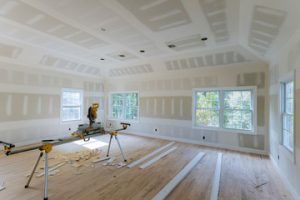
home remodeling

Dos of Home Remodeling

1. Plan Thoroughly Before Starting

One of the most important steps in any remodeling project is creating a comprehensive plan. Planning helps you set realistic goals, establish a budget, and anticipate potential challenges. Consider your objectives, such as improving functionality, updating aesthetics, or increasing property value, and develop a roadmap for achieving them.

A well-thought-out plan ensures that every aspect of the project, from design to construction, is coordinated and executed smoothly. Planning also helps reduce surprises and prevent unnecessary delays or expenses.

2. Set a Realistic Budget

Budgeting is a critical component of a successful remodeling project. Determine how much you can afford to spend and allocate funds to different areas, including materials, labor, permits, and contingencies. It is advisable to set aside 10–15% of your budget for unexpected expenses that may arise during construction.

Having a clear budget ensures you make informed choices about materials, finishes, and design options while preventing overspending. It also allows contractors to plan and execute work within your financial framework.

3. Hire Qualified Professionals

Engaging experienced contractors, designers, and tradespeople can make a significant difference in the outcome of your remodeling project. Professionals bring expertise, technical skills, and knowledge of building codes that ensure high-quality results.

Licensed and insured contractors also provide accountability and protect you from potential liability issues. Collaborating with professionals allows you to achieve your design vision while maintaining safety and compliance with regulations.

4. Prioritize Functionality and Layout

While aesthetics are important, functionality should be a primary consideration in any remodeling project. Focus on creating efficient layouts that optimize space, improve traffic flow, and enhance usability.

For example, in kitchen remodeling, ensure the placement of appliances, sinks, and storage creates a practical workflow. In bathroom renovations, consider space-saving fixtures, proper lighting, and adequate ventilation. Thoughtful planning improves comfort and usability long after the project is completed.

5. Research Materials and Products

Choosing the right materials and products impacts both the look and longevity of your remodel. Research options carefully, considering durability, maintenance, and style. High-quality materials may cost more upfront but can save money in the long run by reducing the need for repairs or replacements.

Additionally, modern home remodeling often incorporates energy-efficient and sustainable products, such as LED lighting, low-flow plumbing fixtures, and insulation upgrades. Selecting eco-friendly materials contributes to long-term savings and environmental responsibility.

6. Obtain Necessary Permits

Many remodeling projects require permits to comply with local building codes. Before starting construction, verify which permits are needed for your project. Permits ensure safety standards are met, prevent future legal issues, and may even impact your property’s resale value.

Working with contractors familiar with local regulations simplifies the permitting process and ensures your project remains compliant from start to finish.

7. Communicate Clearly with Your Team

Clear communication with contractors, designers, and suppliers is essential for a smooth remodeling process. Discuss your expectations, timelines, and budget openly to avoid misunderstandings. Regular updates and site visits help monitor progress and ensure the project stays on track.

Effective communication fosters collaboration, reduces errors, and ensures that your remodeling vision is accurately translated into the finished space.

Don’ts of Home Remodeling

1. Don’t Rush the Process

One of the biggest mistakes homeowners make is rushing through planning or construction. Hasty decisions can lead to costly mistakes, design flaws, and incomplete work. Allow ample time for planning, selecting materials, and completing each stage of the project.

Patience is key to achieving high-quality results that meet your expectations and last for years. Rushing compromises craftsmanship, design, and overall satisfaction with the remodel.

2. Don’t Ignore Your Budget

While it’s tempting to overspend to achieve a dream home, ignoring your budget can create financial strain. Avoid making impulsive decisions about materials, fixtures, or additional features that exceed your planned expenses.

Sticking to a budget ensures that the project remains feasible and prevents debt or financial stress. If unexpected costs arise, adjust priorities rather than exceeding your overall financial limits.

3. Don’t Skip Professional Advice

Trying to manage a remodeling project without professional guidance can lead to mistakes that are difficult and expensive to correct. Avoid bypassing consultations with contractors, designers, or architects, even for small projects.

Professionals provide expertise in structural integrity, design, and local building codes. Their advice helps you avoid common pitfalls and ensures that your remodel is safe, functional, and aesthetically pleasing.

4. Don’t Neglect Function for Aesthetics

While it is tempting to prioritize design trends, functionality should never be compromised. Avoid selecting materials or layouts that look appealing but are impractical for daily use.

For example, a beautiful countertop that is easily damaged or a decorative bathroom fixture that is difficult to maintain may create long-term frustration. Balance aesthetics with practical considerations for a remodel that is both attractive and livable.

5. Don’t Overlook Structural Issues

Ignoring underlying structural problems can lead to costly repairs down the road. Before renovating, have a professional inspect foundations, plumbing, electrical systems, and roofing.

Addressing these issues early ensures that your remodel is safe, durable, and compliant with building standards. It also prevents unexpected complications during construction that can delay timelines and inflate costs.

6. Don’t Forget About Resale Value

Even if you plan to stay in your home long-term, consider how remodeling decisions may affect resale value. Avoid highly personalized or unconventional choices that could limit appeal to future buyers.

Investing in timeless designs, quality materials, and functional layouts increases the likelihood that your remodel will enhance property value over time.

7. Don’t Ignore Maintenance Requirements

Some materials and fixtures require ongoing maintenance to remain functional and attractive. Avoid selecting options that are difficult or costly to maintain unless you are prepared to invest the necessary time and effort.

For example, certain flooring, countertops, or cabinetry materials may look luxurious but require special cleaning or repairs. Consider longevity and ease of maintenance when making selections.

Final Tips for a Successful Remodel

Successful home remodeling is a combination of careful planning, realistic budgeting, professional guidance, and thoughtful design. Keep these additional tips in mind:

  • Prioritize projects based on impact – Focus on areas that provide the most value, such as kitchens, bathrooms, and living spaces.
  • Be flexible – Remodeling projects often encounter unexpected challenges; flexibility allows for adjustments without compromising quality.
  • Document changes – Keep records of design plans, materials, and contracts to ensure accountability and avoid disputes.
  • Focus on long-term goals – Consider durability, energy efficiency, and future needs when making remodeling decisions.

By following these dos and don’ts, homeowners can minimize risks, reduce stress, and achieve a remodel that enhances both the beauty and functionality of their home.

Home remodeling is a rewarding way to improve comfort, aesthetics, and property value. By adhering to the right practices and avoiding common mistakes, homeowners can ensure that their projects are successful, cost-effective, and satisfying.

The key do’s—thorough planning, budgeting, hiring professionals, prioritizing functionality, researching materials, obtaining permits, and communicating clearly—lay the foundation for a smooth renovation process. Conversely, avoiding the don’ts—rushing, ignoring budgets, skipping professional advice, neglecting functionality, overlooking structural issues, disregarding resale value, and ignoring maintenance requirements—prevents costly mistakes and stress.

Ultimately, a successful remodel transforms your living space into a home that meets your lifestyle needs, reflects your personal style, and provides long-term value. Careful planning, smart decision-making, and professional execution ensure that your remodeling investment pays off in comfort, beauty, and satisfaction for years to come.
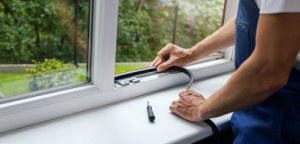
General Contractors

Signs It’s Time for Replacement Windows: Protecting Your Home from Drafts and Moisture Damage

Replacement Windows Lexington KY play a far greater role in home performance than many homeowners realize. Beyond allowing natural light and ventilation, they serve as critical barriers against drafts, moisture intrusion, and energy loss. Over time, even high-quality windows begin to deteriorate due to age, weather exposure, and normal wear. When that deterioration progresses, it can compromise comfort, structural integrity, and utility efficiency. Recognizing the signs that it’s time for replacement windows is essential for protecting your home from drafts and moisture damage while maintaining long-term property value.

replacement windows

One of the most noticeable indicators that replacement windows may be necessary is persistent drafts. If you feel cold air entering around window frames during cooler months or warm air infiltrating during hotter seasons, the seals may have failed. Properly functioning windows create an airtight barrier between indoor and outdoor environments. When seals degrade, gaps allow uncontrolled air exchange, making climate control systems work harder. This not only affects comfort but also increases energy costs over time.

Drafts often stem from worn weatherstripping, cracked caulking, or warped window frames. While minor sealing repairs may provide temporary relief, aging frames and compromised structural components typically require full replacement. Modern replacement windows are designed with advanced insulation technologies, including multi-pane glass and gas-filled chambers, which significantly improve thermal performance and reduce energy transfer.

Another critical warning sign is condensation forming between glass panes. Double- and triple-pane windows rely on sealed units to trap insulating gas between layers. When these seals fail, moisture enters the space and creates fogging that cannot be wiped away from either side. This internal condensation indicates that the window’s insulating capacity has been compromised. Over time, moisture accumulation can lead to mold growth and further structural damage within surrounding walls.

Moisture damage is particularly concerning because it extends beyond cosmetic issues. Water infiltration around windows can deteriorate framing materials, weaken drywall, and encourage mold development. Stains on interior walls, peeling paint, or bubbling finishes near window frames are red flags that moisture is penetrating the structure. Replacing aging windows prevents further water intrusion and protects the home’s foundational components.

Difficulty operating windows is another common sign of deterioration. Windows should open, close, and lock smoothly. When sashes stick, frames swell, or locking mechanisms fail, functionality is compromised. This can create both security vulnerabilities and ventilation limitations. Warping often occurs due to prolonged exposure to humidity and temperature fluctuations. Replacing windows restores ease of operation and reinforces home security.

Rising energy bills may also signal inefficient windows. If heating and cooling costs continue to increase despite consistent usage patterns, air leakage and poor insulation may be contributing factors. Older single-pane windows or outdated glazing technologies lack the energy efficiency standards of modern replacements. Upgrading to energy-efficient windows reduces strain on HVAC systems and lowers monthly utility expenses, delivering measurable long-term savings.

Visible damage to window frames should not be ignored. Rotting wood, cracked vinyl, or corroded metal frames weaken structural support and allow water infiltration. Surface repairs may address minor aesthetic flaws, but structural deterioration often necessitates replacement. Investing in durable frame materials ensures longevity and resistance to environmental stressors.

Noise infiltration is another subtle yet impactful indicator. Windows with compromised seals or outdated glazing allow external noise to penetrate interior spaces more easily. Modern replacement windows with multi-pane construction and insulated glass significantly reduce sound transmission. Improved noise control enhances indoor comfort and privacy, particularly in high-traffic environments.

Ultraviolet exposure can also affect interior furnishings. If you notice fading of carpets, curtains, or furniture near windows, inadequate UV protection may be to blame. Modern window glazing technologies incorporate UV-blocking coatings that reduce harmful exposure while maintaining natural light. Upgrading windows protects interior finishes and preserves long-term aesthetic value.

Homeowners evaluating whether it is time for replacement windows should consider these key warning signs:

  1. Persistent drafts or uneven indoor temperatures near window areas.
  2. Condensation or fogging between glass panes that cannot be removed.

Beyond addressing visible symptoms, replacement windows offer substantial performance enhancements. Modern designs prioritize energy efficiency through insulated frames, low-emissivity glass coatings, and advanced sealing systems. These features work together to regulate indoor temperatures more effectively. Improved insulation reduces dependency on heating and cooling systems, contributing to both comfort and environmental responsibility.

Moisture control remains one of the most critical benefits of replacement windows. Proper installation ensures tight seals that prevent water intrusion during heavy rain or humidity fluctuations. This protection safeguards structural elements, insulation materials, and interior finishes. By preventing water damage at the source, homeowners avoid costly repairs and potential mold remediation expenses.

Curb appeal also improves significantly with new window installations. Aging windows can make a property appear outdated or poorly maintained. Replacement windows offer cleaner lines, contemporary finishes, and customizable design options that enhance exterior aesthetics. This visual upgrade not only increases homeowner satisfaction but also boosts resale value.

Safety and security considerations further reinforce the importance of timely window replacement. Older windows may lack reinforced locking systems or impact-resistant glass. Modern units incorporate stronger materials and advanced locking mechanisms that improve home security. In areas prone to extreme weather, impact-rated windows provide additional protection against debris and pressure changes.

Proper installation plays a decisive role in achieving optimal performance. Even high-quality windows can underperform if installed incorrectly. Professional assessment ensures accurate measurements, secure fitting, and effective sealing. Installation precision prevents air leakage and water infiltration, maximizing the lifespan of the new windows.

Another important factor is maintenance reduction. Older wooden frames require frequent painting, sealing, and repairs. Modern materials such as vinyl and composite frames are designed for durability and minimal upkeep. Reduced maintenance demands save time and long-term costs, making replacement windows a practical investment.

When planning a window replacement project, homeowners should take a structured approach:

  1. Schedule a comprehensive inspection to assess seal integrity, frame condition, and overall performance.
  2. Compare energy efficiency ratings and material options to select windows aligned with climate conditions and performance goals.

Ventilation improvements also contribute to the value of replacement windows. Modern designs allow for smoother airflow control, improving indoor air quality. Proper ventilation reduces humidity levels and minimizes condensation buildup, which in turn prevents mold growth and structural damage.

Environmental sustainability is increasingly important in home improvement decisions. Energy-efficient windows reduce overall energy consumption, lowering carbon footprints and utility costs. Many modern window materials are also recyclable, supporting responsible resource use.

Financial considerations further support timely replacement. While initial installation costs may seem substantial, long-term savings in energy efficiency, maintenance reduction, and avoided repairs often offset the investment. Additionally, enhanced curb appeal and improved performance contribute to stronger resale potential.

Ignoring window deterioration can result in compounding issues. Small leaks may develop into structural decay, and minor drafts can escalate into significant energy inefficiencies. Early intervention prevents minor defects from becoming major expenses. Recognizing warning signs promptly ensures homeowners maintain control over repair timelines and budgets.

The comfort factor should not be underestimated. Rooms with properly insulated windows maintain consistent temperatures and eliminate uncomfortable cold spots. Improved natural light transmission without glare enhances interior ambiance. These qualitative improvements elevate daily living experiences and contribute to overall satisfaction.

Ultimately, replacement windows serve as both protective barriers and performance enhancers. They shield the home from drafts and moisture damage while improving efficiency, security, and aesthetics. Recognizing signs such as condensation, frame deterioration, rising energy bills, and operational difficulty empowers homeowners to take proactive action.

Protecting your home begins with addressing vulnerabilities at the perimeter. Windows represent one of the most critical transition points between interior and exterior environments. When they function properly, they regulate airflow, resist moisture intrusion, and support structural stability. When they fail, they compromise comfort and integrity.

By investing in modern replacement windows, homeowners safeguard their property against drafts, moisture damage, and energy loss. The result is a more comfortable, secure, and efficient living environment that supports long-term value. Recognizing the signs early and acting decisively ensures your home remains protected for years to come.