Replacement Windows Lexington KY play a far greater role in home performance than many homeowners realize. Beyond allowing natural light and ventilation, they serve as critical barriers against drafts, moisture intrusion, and energy loss. Over time, even high-quality windows begin to deteriorate due to age, weather exposure, and normal wear. When that deterioration progresses, it can compromise comfort, structural integrity, and utility efficiency. Recognizing the signs that it’s time for replacement windows is essential for protecting your home from drafts and moisture damage while maintaining long-term property value.
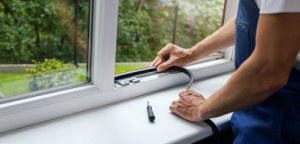
One of the most noticeable indicators that replacement windows may be necessary is persistent drafts. If you feel cold air entering around window frames during cooler months or warm air infiltrating during hotter seasons, the seals may have failed. Properly functioning windows create an airtight barrier between indoor and outdoor environments. When seals degrade, gaps allow uncontrolled air exchange, making climate control systems work harder. This not only affects comfort but also increases energy costs over time.
Drafts often stem from worn weatherstripping, cracked caulking, or warped window frames. While minor sealing repairs may provide temporary relief, aging frames and compromised structural components typically require full replacement. Modern replacement windows are designed with advanced insulation technologies, including multi-pane glass and gas-filled chambers, which significantly improve thermal performance and reduce energy transfer.
Another critical warning sign is condensation forming between glass panes. Double- and triple-pane windows rely on sealed units to trap insulating gas between layers. When these seals fail, moisture enters the space and creates fogging that cannot be wiped away from either side. This internal condensation indicates that the window’s insulating capacity has been compromised. Over time, moisture accumulation can lead to mold growth and further structural damage within surrounding walls.
Moisture damage is particularly concerning because it extends beyond cosmetic issues. Water infiltration around windows can deteriorate framing materials, weaken drywall, and encourage mold development. Stains on interior walls, peeling paint, or bubbling finishes near window frames are red flags that moisture is penetrating the structure. Replacing aging windows prevents further water intrusion and protects the home’s foundational components.
Difficulty operating windows is another common sign of deterioration. Windows should open, close, and lock smoothly. When sashes stick, frames swell, or locking mechanisms fail, functionality is compromised. This can create both security vulnerabilities and ventilation limitations. Warping often occurs due to prolonged exposure to humidity and temperature fluctuations. Replacing windows restores ease of operation and reinforces home security.
Rising energy bills may also signal inefficient windows. If heating and cooling costs continue to increase despite consistent usage patterns, air leakage and poor insulation may be contributing factors. Older single-pane windows or outdated glazing technologies lack the energy efficiency standards of modern replacements. Upgrading to energy-efficient windows reduces strain on HVAC systems and lowers monthly utility expenses, delivering measurable long-term savings.
Visible damage to window frames should not be ignored. Rotting wood, cracked vinyl, or corroded metal frames weaken structural support and allow water infiltration. Surface repairs may address minor aesthetic flaws, but structural deterioration often necessitates replacement. Investing in durable frame materials ensures longevity and resistance to environmental stressors.
Noise infiltration is another subtle yet impactful indicator. Windows with compromised seals or outdated glazing allow external noise to penetrate interior spaces more easily. Modern replacement windows with multi-pane construction and insulated glass significantly reduce sound transmission. Improved noise control enhances indoor comfort and privacy, particularly in high-traffic environments.
Ultraviolet exposure can also affect interior furnishings. If you notice fading of carpets, curtains, or furniture near windows, inadequate UV protection may be to blame. Modern window glazing technologies incorporate UV-blocking coatings that reduce harmful exposure while maintaining natural light. Upgrading windows protects interior finishes and preserves long-term aesthetic value.
Homeowners evaluating whether it is time for replacement windows should consider these key warning signs:
- Persistent drafts or uneven indoor temperatures near window areas.
- Condensation or fogging between glass panes that cannot be removed.
Beyond addressing visible symptoms, replacement windows offer substantial performance enhancements. Modern designs prioritize energy efficiency through insulated frames, low-emissivity glass coatings, and advanced sealing systems. These features work together to regulate indoor temperatures more effectively. Improved insulation reduces dependency on heating and cooling systems, contributing to both comfort and environmental responsibility.
Moisture control remains one of the most critical benefits of replacement windows. Proper installation ensures tight seals that prevent water intrusion during heavy rain or humidity fluctuations. This protection safeguards structural elements, insulation materials, and interior finishes. By preventing water damage at the source, homeowners avoid costly repairs and potential mold remediation expenses.
Curb appeal also improves significantly with new window installations. Aging windows can make a property appear outdated or poorly maintained. Replacement windows offer cleaner lines, contemporary finishes, and customizable design options that enhance exterior aesthetics. This visual upgrade not only increases homeowner satisfaction but also boosts resale value.
Safety and security considerations further reinforce the importance of timely window replacement. Older windows may lack reinforced locking systems or impact-resistant glass. Modern units incorporate stronger materials and advanced locking mechanisms that improve home security. In areas prone to extreme weather, impact-rated windows provide additional protection against debris and pressure changes.
Proper installation plays a decisive role in achieving optimal performance. Even high-quality windows can underperform if installed incorrectly. Professional assessment ensures accurate measurements, secure fitting, and effective sealing. Installation precision prevents air leakage and water infiltration, maximizing the lifespan of the new windows.
Another important factor is maintenance reduction. Older wooden frames require frequent painting, sealing, and repairs. Modern materials such as vinyl and composite frames are designed for durability and minimal upkeep. Reduced maintenance demands save time and long-term costs, making replacement windows a practical investment.
When planning a window replacement project, homeowners should take a structured approach:
- Schedule a comprehensive inspection to assess seal integrity, frame condition, and overall performance.
- Compare energy efficiency ratings and material options to select windows aligned with climate conditions and performance goals.
Ventilation improvements also contribute to the value of replacement windows. Modern designs allow for smoother airflow control, improving indoor air quality. Proper ventilation reduces humidity levels and minimizes condensation buildup, which in turn prevents mold growth and structural damage.
Environmental sustainability is increasingly important in home improvement decisions. Energy-efficient windows reduce overall energy consumption, lowering carbon footprints and utility costs. Many modern window materials are also recyclable, supporting responsible resource use.
Financial considerations further support timely replacement. While initial installation costs may seem substantial, long-term savings in energy efficiency, maintenance reduction, and avoided repairs often offset the investment. Additionally, enhanced curb appeal and improved performance contribute to stronger resale potential.
Ignoring window deterioration can result in compounding issues. Small leaks may develop into structural decay, and minor drafts can escalate into significant energy inefficiencies. Early intervention prevents minor defects from becoming major expenses. Recognizing warning signs promptly ensures homeowners maintain control over repair timelines and budgets.
The comfort factor should not be underestimated. Rooms with properly insulated windows maintain consistent temperatures and eliminate uncomfortable cold spots. Improved natural light transmission without glare enhances interior ambiance. These qualitative improvements elevate daily living experiences and contribute to overall satisfaction.
Ultimately, replacement windows serve as both protective barriers and performance enhancers. They shield the home from drafts and moisture damage while improving efficiency, security, and aesthetics. Recognizing signs such as condensation, frame deterioration, rising energy bills, and operational difficulty empowers homeowners to take proactive action.
Protecting your home begins with addressing vulnerabilities at the perimeter. Windows represent one of the most critical transition points between interior and exterior environments. When they function properly, they regulate airflow, resist moisture intrusion, and support structural stability. When they fail, they compromise comfort and integrity.
By investing in modern replacement windows, homeowners safeguard their property against drafts, moisture damage, and energy loss. The result is a more comfortable, secure, and efficient living environment that supports long-term value. Recognizing the signs early and acting decisively ensures your home remains protected for years to come.