Commercial properties rely on electrical systems for nearly every aspect of daily operation, from powering lighting, HVAC, and office equipment to supporting critical machinery in industrial settings. Because commercial electrical systems are more complex and demand higher reliability than residential setups, ensuring they are safe and efficient is essential for business continuity, employee safety, and cost management. Electrical failures can cause downtime, disrupt operations, and even create significant hazards. For facility managers, business owners, and property developers, understanding the key considerations for safe and efficient Commercial Electrical Service is a crucial part of effective property management.
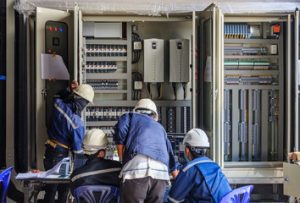
One of the most fundamental considerations is system design. Commercial electrical systems must accommodate higher loads, more circuits, and a wider variety of equipment than typical residential systems. Properly designing an electrical system involves assessing the expected power requirements, determining circuit layouts, and specifying the appropriate wiring, panels, and protective devices. An efficient design not only ensures consistent power delivery but also allows for future scalability. For businesses anticipating growth, planning an electrical system that can handle additional loads is critical to avoid costly retrofits and downtime later.
Safety is always the top priority in commercial electrical services. Faulty wiring, outdated panels, or improperly installed equipment can result in electrical shocks, arc flashes, or fires, all of which pose risks to employees and customers. Ensuring safety begins with adherence to local electrical codes and standards. These codes dictate how wiring should be installed, how circuits should be protected, and how components should be grounded. Compliance with these regulations is not only legally required but also provides a baseline for reducing hazards. Routine inspections, testing, and maintenance further ensure that the system remains safe over time.
Another critical factor is load management. Commercial facilities often operate equipment with varying power demands, including office electronics, lighting, HVAC, and industrial machinery. Uneven or excessive loads can cause circuit breakers to trip, reduce the lifespan of equipment, and increase the risk of electrical fires. Proper load distribution across circuits, along with monitoring systems that track energy usage, helps prevent overloads. Facility managers can identify high-demand areas, implement dedicated circuits for heavy equipment, and optimize power usage to enhance efficiency and safety.
Energy efficiency is closely linked to effective commercial electrical services. Reducing energy waste not only lowers operating costs but also contributes to sustainability goals and enhances system performance. Upgrading lighting to LEDs, installing energy-efficient motors, and using smart controls are common measures that improve efficiency. A well-maintained and properly designed electrical system ensures that energy is delivered where it is needed most without excessive losses. For large facilities, the cumulative effect of energy-efficient electrical systems can lead to significant annual savings.
Preventive maintenance is another key consideration. Routine inspections, testing of circuit breakers, verification of grounding systems, and thermal imaging to detect hot spots can identify potential issues before they become serious problems. Proactive maintenance reduces the likelihood of unexpected downtime, improves safety, and extends the life of the system and connected equipment. In commercial environments, scheduled maintenance also allows facility managers to plan around operational schedules, minimizing disruption to business activities.
Proper grounding and surge protection are essential for both safety and equipment longevity. Grounding provides a safe path for stray currents, reducing the risk of shock and equipment damage. Surge protection devices safeguard sensitive electronics from voltage spikes caused by lightning, utility fluctuations, or internal load changes. These measures are especially important in commercial settings where data systems, computers, and specialized machinery are critical to operations. Incorporating grounding and surge protection into the overall system design ensures reliable performance and mitigates financial losses from damaged equipment.
Electrical panel selection and configuration play a major role in system efficiency and safety. Panels must be correctly rated for the expected load, allow for easy circuit expansion, and provide safe access for maintenance. Modern panels often include advanced breakers and monitoring capabilities that allow facility managers to quickly detect and address problems. Labeling circuits clearly and organizing panels logically reduces the chance of errors during maintenance or emergency response.
Emergency preparedness is another critical aspect of commercial electrical services. Power outages, surges, and equipment failures can disrupt operations and compromise safety. Backup power systems, such as generators or uninterruptible power supplies (UPS), ensure that essential systems remain operational during interruptions. Including emergency lighting, safety alarms, and accessible shutoff points as part of the electrical system design improves preparedness and safeguards employees and customers during unexpected events.
Compliance with safety regulations extends beyond installation to ongoing operation. OSHA regulations, National Electrical Code (NEC) standards, and other local safety codes establish guidelines for maintaining electrical systems in commercial environments. Facility managers should maintain accurate documentation of inspections, maintenance, and upgrades to demonstrate compliance and support effective management. Adhering to these standards also protects the organization from liability and ensures that electrical systems operate reliably under all conditions.
Technology integration is becoming increasingly important in commercial electrical services. Smart systems allow facility managers to monitor energy consumption in real time, detect irregularities, and make data-driven decisions to improve efficiency. Automated lighting, HVAC controls, and intelligent load management systems optimize energy usage and reduce operational costs. Integrating these technologies with proper wiring, panels, and safety measures enhances both efficiency and reliability.
There are several core considerations to focus on for safe and efficient commercial electrical services:
- Proper system design that accommodates current and future load demands
- Compliance with electrical codes and safety standards
- Effective load management to prevent overloads
- Regular preventive maintenance and inspections
- Grounding and surge protection for safety and equipment protection
- Emergency preparedness, including backup power systems
- Integration of energy-efficient technologies and smart monitoring systems
Addressing these considerations ensures that commercial electrical systems operate safely, efficiently, and reliably.
Employee training and awareness also play a role in maintaining electrical safety. Staff should be educated on the risks of improper electrical use, how to identify warning signs such as unusual noises or smells, and what to do in an emergency. Clear protocols for reporting and addressing electrical issues reduce the likelihood of accidents and improve the overall safety culture within the facility.
Choosing the right commercial electrical service provider is equally important. A qualified contractor can assess the property’s unique electrical needs, design systems that optimize performance, and provide ongoing support for maintenance and upgrades. Professional expertise ensures compliance with codes, proper installation, and quick resolution of any issues that arise. For facility managers, partnering with a reliable electrical service provider minimizes downtime and protects both employees and property.
Energy efficiency and sustainability should also be integrated into planning for commercial electrical services. Implementing LED lighting, energy-efficient motors, programmable controls, and renewable energy integration reduces operational costs while minimizing environmental impact. Many businesses now include energy efficiency as a key metric in building design and operation, recognizing that sustainable electrical systems contribute to long-term profitability and corporate responsibility goals.
Regular monitoring and auditing of electrical systems support both safety and efficiency. By tracking energy consumption, identifying unusual patterns, and evaluating system performance, facility managers can pinpoint areas that require attention or improvement. Monitoring also allows for predictive maintenance, addressing minor issues before they escalate into serious hazards.
Electrical safety and efficiency are not mutually exclusive. Modern systems can achieve both simultaneously through proper design, installation, and maintenance. High-quality materials, correctly rated components, and thoughtful planning ensure that commercial electrical systems provide reliable power while minimizing energy waste and risk.
In conclusion, safe and efficient commercial electrical services are essential for reliable operations, employee safety, and cost management. Key considerations include proper system design, compliance with safety codes, effective load management, preventive maintenance, grounding and surge protection, emergency preparedness, and the integration of energy-efficient technologies. Facility managers and business owners who prioritize these factors reduce operational risks, enhance efficiency, and create a safer environment for all occupants.
Investing in professional electrical services, maintaining modern infrastructure, and adopting best practices ensures that commercial properties remain functional, safe, and sustainable. By addressing potential hazards proactively and optimizing system efficiency, property owners can protect assets, reduce costs, and support long-term operational success. Proper planning, regular maintenance, and professional expertise are the foundation of safe, efficient, and reliable commercial electrical services.