Home Improvement

Home Remodeling Dos and Don’ts: A Complete Guide for a Successful Renovation

Mt Juliet Home Remodeling is an exciting opportunity to improve your living space, enhance comfort, and increase property value. However, a successful renovation requires careful planning, smart decision-making, and attention to detail. Whether you are remodeling a kitchen, bathroom, or entire home, knowing the right approaches and common pitfalls can save time, money, and stress.

home remodeling

Dos of Home Remodeling

1. Plan Thoroughly Before Starting

One of the most important steps in any remodeling project is creating a comprehensive plan. Planning helps you set realistic goals, establish a budget, and anticipate potential challenges. Consider your objectives, such as improving functionality, updating aesthetics, or increasing property value, and develop a roadmap for achieving them.

A well-thought-out plan ensures that every aspect of the project, from design to construction, is coordinated and executed smoothly. Planning also helps reduce surprises and prevent unnecessary delays or expenses.

2. Set a Realistic Budget

Budgeting is a critical component of a successful remodeling project. Determine how much you can afford to spend and allocate funds to different areas, including materials, labor, permits, and contingencies. It is advisable to set aside 10–15% of your budget for unexpected expenses that may arise during construction.

Having a clear budget ensures you make informed choices about materials, finishes, and design options while preventing overspending. It also allows contractors to plan and execute work within your financial framework.

3. Hire Qualified Professionals

Engaging experienced contractors, designers, and tradespeople can make a significant difference in the outcome of your remodeling project. Professionals bring expertise, technical skills, and knowledge of building codes that ensure high-quality results.

Licensed and insured contractors also provide accountability and protect you from potential liability issues. Collaborating with professionals allows you to achieve your design vision while maintaining safety and compliance with regulations.

4. Prioritize Functionality and Layout

While aesthetics are important, functionality should be a primary consideration in any remodeling project. Focus on creating efficient layouts that optimize space, improve traffic flow, and enhance usability.

For example, in kitchen remodeling, ensure the placement of appliances, sinks, and storage creates a practical workflow. In bathroom renovations, consider space-saving fixtures, proper lighting, and adequate ventilation. Thoughtful planning improves comfort and usability long after the project is completed.

5. Research Materials and Products

Choosing the right materials and products impacts both the look and longevity of your remodel. Research options carefully, considering durability, maintenance, and style. High-quality materials may cost more upfront but can save money in the long run by reducing the need for repairs or replacements.

Additionally, modern home remodeling often incorporates energy-efficient and sustainable products, such as LED lighting, low-flow plumbing fixtures, and insulation upgrades. Selecting eco-friendly materials contributes to long-term savings and environmental responsibility.

6. Obtain Necessary Permits

Many remodeling projects require permits to comply with local building codes. Before starting construction, verify which permits are needed for your project. Permits ensure safety standards are met, prevent future legal issues, and may even impact your property’s resale value.

Working with contractors familiar with local regulations simplifies the permitting process and ensures your project remains compliant from start to finish.

7. Communicate Clearly with Your Team

Clear communication with contractors, designers, and suppliers is essential for a smooth remodeling process. Discuss your expectations, timelines, and budget openly to avoid misunderstandings. Regular updates and site visits help monitor progress and ensure the project stays on track.

Effective communication fosters collaboration, reduces errors, and ensures that your remodeling vision is accurately translated into the finished space.

Don’ts of Home Remodeling

1. Don’t Rush the Process

One of the biggest mistakes homeowners make is rushing through planning or construction. Hasty decisions can lead to costly mistakes, design flaws, and incomplete work. Allow ample time for planning, selecting materials, and completing each stage of the project.

Patience is key to achieving high-quality results that meet your expectations and last for years. Rushing compromises craftsmanship, design, and overall satisfaction with the remodel.

2. Don’t Ignore Your Budget

While it’s tempting to overspend to achieve a dream home, ignoring your budget can create financial strain. Avoid making impulsive decisions about materials, fixtures, or additional features that exceed your planned expenses.

Sticking to a budget ensures that the project remains feasible and prevents debt or financial stress. If unexpected costs arise, adjust priorities rather than exceeding your overall financial limits.

3. Don’t Skip Professional Advice

Trying to manage a remodeling project without professional guidance can lead to mistakes that are difficult and expensive to correct. Avoid bypassing consultations with contractors, designers, or architects, even for small projects.

Professionals provide expertise in structural integrity, design, and local building codes. Their advice helps you avoid common pitfalls and ensures that your remodel is safe, functional, and aesthetically pleasing.

4. Don’t Neglect Function for Aesthetics

While it is tempting to prioritize design trends, functionality should never be compromised. Avoid selecting materials or layouts that look appealing but are impractical for daily use.

For example, a beautiful countertop that is easily damaged or a decorative bathroom fixture that is difficult to maintain may create long-term frustration. Balance aesthetics with practical considerations for a remodel that is both attractive and livable.

5. Don’t Overlook Structural Issues

Ignoring underlying structural problems can lead to costly repairs down the road. Before renovating, have a professional inspect foundations, plumbing, electrical systems, and roofing.

Addressing these issues early ensures that your remodel is safe, durable, and compliant with building standards. It also prevents unexpected complications during construction that can delay timelines and inflate costs.

6. Don’t Forget About Resale Value

Even if you plan to stay in your home long-term, consider how remodeling decisions may affect resale value. Avoid highly personalized or unconventional choices that could limit appeal to future buyers.

Investing in timeless designs, quality materials, and functional layouts increases the likelihood that your remodel will enhance property value over time.

7. Don’t Ignore Maintenance Requirements

Some materials and fixtures require ongoing maintenance to remain functional and attractive. Avoid selecting options that are difficult or costly to maintain unless you are prepared to invest the necessary time and effort.

For example, certain flooring, countertops, or cabinetry materials may look luxurious but require special cleaning or repairs. Consider longevity and ease of maintenance when making selections.

Final Tips for a Successful Remodel

Successful home remodeling is a combination of careful planning, realistic budgeting, professional guidance, and thoughtful design. Keep these additional tips in mind:

  • Prioritize projects based on impact – Focus on areas that provide the most value, such as kitchens, bathrooms, and living spaces.
  • Be flexible – Remodeling projects often encounter unexpected challenges; flexibility allows for adjustments without compromising quality.
  • Document changes – Keep records of design plans, materials, and contracts to ensure accountability and avoid disputes.
  • Focus on long-term goals – Consider durability, energy efficiency, and future needs when making remodeling decisions.

By following these dos and don’ts, homeowners can minimize risks, reduce stress, and achieve a remodel that enhances both the beauty and functionality of their home.

Home remodeling is a rewarding way to improve comfort, aesthetics, and property value. By adhering to the right practices and avoiding common mistakes, homeowners can ensure that their projects are successful, cost-effective, and satisfying.

The key do’s—thorough planning, budgeting, hiring professionals, prioritizing functionality, researching materials, obtaining permits, and communicating clearly—lay the foundation for a smooth renovation process. Conversely, avoiding the don’ts—rushing, ignoring budgets, skipping professional advice, neglecting functionality, overlooking structural issues, disregarding resale value, and ignoring maintenance requirements—prevents costly mistakes and stress.

Ultimately, a successful remodel transforms your living space into a home that meets your lifestyle needs, reflects your personal style, and provides long-term value. Careful planning, smart decision-making, and professional execution ensure that your remodeling investment pays off in comfort, beauty, and satisfaction for years to come.
Uncategorized

Reliable Handyman Services for Every Home Need

Maintaining a home can be a rewarding experience, but it often comes with a long list of repairs, upgrades, and maintenance tasks. From leaky faucets to broken doors, homeowners frequently encounter issues that require attention but may lack the time, tools, or expertise to handle them. This is where a skilled handyman becomes invaluable. Handyman services provide practical solutions for a wide range of household tasks, ensuring that homes remain safe, functional, and well-maintained.

A handyman’s versatility is one of their most significant advantages. Unlike specialists who focus on a single trade, a handyman is trained to handle multiple types of repairs and improvements. This includes plumbing fixes, electrical work, carpentry, painting, appliance installations, and general maintenance. Whether it is a minor repair or a small renovation, a handyman offers the skills needed to complete tasks efficiently and correctly. Their ability to manage diverse projects saves homeowners the hassle of hiring multiple professionals for different jobs.

handyman

Plumbing is a common area where handyman services prove essential. Tasks such as fixing leaks, replacing faucets, unclogging drains, or installing fixtures require precision and knowledge. Improper repairs can lead to water damage, higher utility bills, or safety hazards. A professional handyman ensures that plumbing issues are addressed promptly and correctly, preventing long-term damage and reducing the risk of costly repairs. Their expertise allows homeowners to maintain the integrity and functionality of their plumbing systems with confidence.

Electrical work is another area where handymen provide valuable assistance. From installing light fixtures and ceiling fans to repairing outlets or switches, their experience ensures that electrical tasks are performed safely and up to standard. Handling electrical issues without proper training can be dangerous, leading to shocks, short circuits, or fire hazards. A skilled handyman not only completes these tasks efficiently but also ensures safety for the household, providing peace of mind for homeowners.

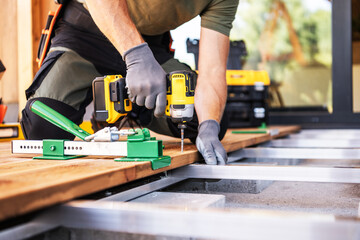
Carpentry and home improvement projects are often part of a handyman’s responsibilities. This can include assembling furniture, repairing cabinets, installing shelves, or creating custom storage solutions. Handymen are adept at measuring, cutting, and assembling materials with accuracy, resulting in professional-quality finishes. Their craftsmanship improves the appearance, functionality, and durability of home interiors. Small improvements, when performed correctly, can make a significant difference in both comfort and style.

Painting and aesthetic upgrades are another specialty of handyman services. Fresh paint can dramatically enhance a room’s appearance, protect surfaces, and increase property value. Handymen handle tasks such as prepping surfaces, repairing minor wall damage, and applying paint evenly. They can also assist with touch-ups, accent walls, or even minor decorative changes. By combining practical repairs with aesthetic improvements, a handyman helps maintain both the function and beauty of a home.

Outdoor maintenance is also a key component of handyman services. Tasks such as repairing fences, fixing gates, installing outdoor lighting, or maintaining decks and patios require specific skills and tools. Handymen ensure that outdoor spaces are safe, attractive, and fully functional. Regular attention to exterior repairs not only enhances curb appeal but also prevents long-term damage from weather exposure and wear. A well-maintained exterior contributes significantly to a home’s overall value and livability.

Time efficiency is another reason homeowners rely on handymen. Many household tasks are time-consuming, especially when attempting DIY solutions without proper experience. A professional handyman completes tasks quickly and efficiently, reducing disruption to daily life. Their expertise allows them to troubleshoot problems effectively, anticipate potential issues, and provide solutions that save time and effort for homeowners. This efficiency ensures that homes remain in excellent condition without unnecessary delays or frustration.

Safety is a critical consideration when performing household repairs. Handymen are trained to follow safety protocols and use the appropriate tools and materials for each task. This reduces the risk of injury or further damage to the home. Whether handling electrical wiring, using power tools, or working at heights, a professional handyman approaches each project with caution and skill, ensuring a safe and reliable outcome. Homeowners can feel confident knowing that repairs are performed with both quality and safety in mind.

Cost-effectiveness is another benefit of hiring a handyman. Attempting repairs without expertise can lead to mistakes that require additional time and money to fix. By hiring a professional, homeowners avoid repeated errors and unnecessary expenses. Many handymen offer flexible pricing, including hourly rates or project-based fees, making it easier to manage home maintenance budgets. The combination of efficiency, skill, and reliability often results in better value for the money invested.

Handyman services are not limited to repairs alone. They also include preventive maintenance and small upgrades that enhance the overall functionality and longevity of a home. Regular inspections, minor adjustments, and timely repairs prevent issues from escalating, keeping the home in top condition. This proactive approach minimizes costly emergencies and ensures that living spaces remain comfortable and safe year-round.

In addition to technical skills, a handyman often provides guidance and recommendations for home improvement projects. Their experience allows them to suggest cost-effective solutions, efficient materials, and practical approaches to repairs and upgrades. Homeowners benefit from expert advice, ensuring that improvements are both functional and aesthetically pleasing. A knowledgeable handyman acts as a trusted partner in maintaining and enhancing the value of a home.

In conclusion, handyman services offer a comprehensive solution for home maintenance, repairs, and improvements. Their versatility, efficiency, and expertise make them an essential resource for homeowners seeking reliable support. From plumbing and electrical work to carpentry, painting, and outdoor maintenance, handymen address a wide range of household needs with professionalism and skill. By hiring a handyman, homeowners save time, reduce stress, ensure safety, and maintain the value and comfort of their living spaces. A skilled handyman is more than just a repair professional—they are a key partner in creating a well-maintained, functional, and beautiful home that can be enjoyed for years to come.

Electrician

Key Considerations for Safe and Efficient Commercial Electrical Services

Commercial properties rely on electrical systems for nearly every aspect of daily operation, from powering lighting, HVAC, and office equipment to supporting critical machinery in industrial settings. Because commercial electrical systems are more complex and demand higher reliability than residential setups, ensuring they are safe and efficient is essential for business continuity, employee safety, and cost management. Electrical failures can cause downtime, disrupt operations, and even create significant hazards. For facility managers, business owners, and property developers, understanding the key considerations for safe and efficient Commercial Electrical Service is a crucial part of effective property management.

electrical

One of the most fundamental considerations is system design. Commercial electrical systems must accommodate higher loads, more circuits, and a wider variety of equipment than typical residential systems. Properly designing an electrical system involves assessing the expected power requirements, determining circuit layouts, and specifying the appropriate wiring, panels, and protective devices. An efficient design not only ensures consistent power delivery but also allows for future scalability. For businesses anticipating growth, planning an electrical system that can handle additional loads is critical to avoid costly retrofits and downtime later.

Safety is always the top priority in commercial electrical services. Faulty wiring, outdated panels, or improperly installed equipment can result in electrical shocks, arc flashes, or fires, all of which pose risks to employees and customers. Ensuring safety begins with adherence to local electrical codes and standards. These codes dictate how wiring should be installed, how circuits should be protected, and how components should be grounded. Compliance with these regulations is not only legally required but also provides a baseline for reducing hazards. Routine inspections, testing, and maintenance further ensure that the system remains safe over time.

Another critical factor is load management. Commercial facilities often operate equipment with varying power demands, including office electronics, lighting, HVAC, and industrial machinery. Uneven or excessive loads can cause circuit breakers to trip, reduce the lifespan of equipment, and increase the risk of electrical fires. Proper load distribution across circuits, along with monitoring systems that track energy usage, helps prevent overloads. Facility managers can identify high-demand areas, implement dedicated circuits for heavy equipment, and optimize power usage to enhance efficiency and safety.

Energy efficiency is closely linked to effective commercial electrical services. Reducing energy waste not only lowers operating costs but also contributes to sustainability goals and enhances system performance. Upgrading lighting to LEDs, installing energy-efficient motors, and using smart controls are common measures that improve efficiency. A well-maintained and properly designed electrical system ensures that energy is delivered where it is needed most without excessive losses. For large facilities, the cumulative effect of energy-efficient electrical systems can lead to significant annual savings.

Preventive maintenance is another key consideration. Routine inspections, testing of circuit breakers, verification of grounding systems, and thermal imaging to detect hot spots can identify potential issues before they become serious problems. Proactive maintenance reduces the likelihood of unexpected downtime, improves safety, and extends the life of the system and connected equipment. In commercial environments, scheduled maintenance also allows facility managers to plan around operational schedules, minimizing disruption to business activities.

Proper grounding and surge protection are essential for both safety and equipment longevity. Grounding provides a safe path for stray currents, reducing the risk of shock and equipment damage. Surge protection devices safeguard sensitive electronics from voltage spikes caused by lightning, utility fluctuations, or internal load changes. These measures are especially important in commercial settings where data systems, computers, and specialized machinery are critical to operations. Incorporating grounding and surge protection into the overall system design ensures reliable performance and mitigates financial losses from damaged equipment.

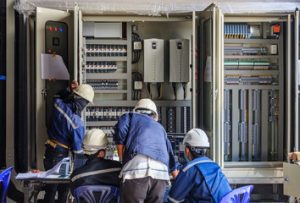
Electrical panel selection and configuration play a major role in system efficiency and safety. Panels must be correctly rated for the expected load, allow for easy circuit expansion, and provide safe access for maintenance. Modern panels often include advanced breakers and monitoring capabilities that allow facility managers to quickly detect and address problems. Labeling circuits clearly and organizing panels logically reduces the chance of errors during maintenance or emergency response.

Emergency preparedness is another critical aspect of commercial electrical services. Power outages, surges, and equipment failures can disrupt operations and compromise safety. Backup power systems, such as generators or uninterruptible power supplies (UPS), ensure that essential systems remain operational during interruptions. Including emergency lighting, safety alarms, and accessible shutoff points as part of the electrical system design improves preparedness and safeguards employees and customers during unexpected events.

Compliance with safety regulations extends beyond installation to ongoing operation. OSHA regulations, National Electrical Code (NEC) standards, and other local safety codes establish guidelines for maintaining electrical systems in commercial environments. Facility managers should maintain accurate documentation of inspections, maintenance, and upgrades to demonstrate compliance and support effective management. Adhering to these standards also protects the organization from liability and ensures that electrical systems operate reliably under all conditions.

Technology integration is becoming increasingly important in commercial electrical services. Smart systems allow facility managers to monitor energy consumption in real time, detect irregularities, and make data-driven decisions to improve efficiency. Automated lighting, HVAC controls, and intelligent load management systems optimize energy usage and reduce operational costs. Integrating these technologies with proper wiring, panels, and safety measures enhances both efficiency and reliability.

There are several core considerations to focus on for safe and efficient commercial electrical services:

  1. Proper system design that accommodates current and future load demands
  2. Compliance with electrical codes and safety standards
  3. Effective load management to prevent overloads
  4. Regular preventive maintenance and inspections
  5. Grounding and surge protection for safety and equipment protection
  6. Emergency preparedness, including backup power systems
  7. Integration of energy-efficient technologies and smart monitoring systems

Addressing these considerations ensures that commercial electrical systems operate safely, efficiently, and reliably.

Employee training and awareness also play a role in maintaining electrical safety. Staff should be educated on the risks of improper electrical use, how to identify warning signs such as unusual noises or smells, and what to do in an emergency. Clear protocols for reporting and addressing electrical issues reduce the likelihood of accidents and improve the overall safety culture within the facility.

Choosing the right commercial electrical service provider is equally important. A qualified contractor can assess the property’s unique electrical needs, design systems that optimize performance, and provide ongoing support for maintenance and upgrades. Professional expertise ensures compliance with codes, proper installation, and quick resolution of any issues that arise. For facility managers, partnering with a reliable electrical service provider minimizes downtime and protects both employees and property.

Energy efficiency and sustainability should also be integrated into planning for commercial electrical services. Implementing LED lighting, energy-efficient motors, programmable controls, and renewable energy integration reduces operational costs while minimizing environmental impact. Many businesses now include energy efficiency as a key metric in building design and operation, recognizing that sustainable electrical systems contribute to long-term profitability and corporate responsibility goals.

Regular monitoring and auditing of electrical systems support both safety and efficiency. By tracking energy consumption, identifying unusual patterns, and evaluating system performance, facility managers can pinpoint areas that require attention or improvement. Monitoring also allows for predictive maintenance, addressing minor issues before they escalate into serious hazards.

Electrical safety and efficiency are not mutually exclusive. Modern systems can achieve both simultaneously through proper design, installation, and maintenance. High-quality materials, correctly rated components, and thoughtful planning ensure that commercial electrical systems provide reliable power while minimizing energy waste and risk.

In conclusion, safe and efficient commercial electrical services are essential for reliable operations, employee safety, and cost management. Key considerations include proper system design, compliance with safety codes, effective load management, preventive maintenance, grounding and surge protection, emergency preparedness, and the integration of energy-efficient technologies. Facility managers and business owners who prioritize these factors reduce operational risks, enhance efficiency, and create a safer environment for all occupants.

Investing in professional electrical services, maintaining modern infrastructure, and adopting best practices ensures that commercial properties remain functional, safe, and sustainable. By addressing potential hazards proactively and optimizing system efficiency, property owners can protect assets, reduce costs, and support long-term operational success. Proper planning, regular maintenance, and professional expertise are the foundation of safe, efficient, and reliable commercial electrical services.