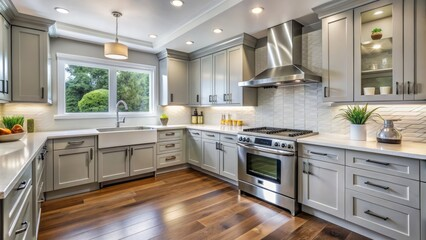
Cabinet Painting

Trending Cabinet Colors and Finishes for Modern Kitchens

Modesto Cabinet Painters

Replacing your entire kitchen is a big commitment. So, you’ll want to make sure your cabinets look great for years to come.

Whether you love an earthy aesthetic or prefer bursts of color, there are plenty of cabinet paint trends to choose from this year. Read on to discover some of our favorite hues and stunning finishes that amplify them. Contact Modesto Cabinet Painters for more details.

Fantasia Blue

One of the most popular cabinet colors, blue shades can range from pale pastels to bold navy. The latter can be a dramatic choice that instantly elevates your kitchen, says Nasir, especially when paired with warm white accents or natural wood elements. If you’re nervous about making such a big color statement, consider painting just the island to act as a focal point.

Earthy greens are another cabinet trend to try. This year’s hues are more muted than past seasons, bringing organic calm into your kitchen and serving as a natural backdrop for other design elements.

For a more vibrant option, look no further than stormy blues like Sherwin Williams’ Rain Cloud or Benjamin Moore’s Blue Danube. These deep ocean tones evoke the sense of connection we feel with nature, notes Sherwin Williams’ 2023 ColorMix, and can help a kitchen feel like a true part of its surroundings.

Medium tones are also popping up in kitchens. These rich browns and tans have a warmth that helps balance other kitchen trends, such as the softer neutrals and earthy blues we see above. They also hide smudges, fingerprints and other everyday debris better than lighter tones, which makes them ideal for busy homes. For a clean, sleek appearance, pair these shades with brushed nickel or chrome hardware.

Dusty Lavender

Purple is a fun color that works well for kitchens. From dusty lavender to rich lilac and deep aubergine, these hues play nicely with wood, stone, brass, and more. Lighter shades add a soft, feminine touch, while darker tones feel luxurious and evocative. Whether you opt for full purple kitchen cabinets or a pop of color on the island, these shades create an airy aesthetic that complements white countertops and wood flooring.

A connection to nature inspires many of this year’s shade of the year selections. Sherwin Williams’s Rain Cloud, for example, suggests a connection to the natural ocean landscape and is an appealing alternative to neutral shades that can feel cold. Greens also echo nature, with a range of tones from tranquil moss greens to muted cyans and whispery mint.

Darker hues like Sherwin Williams’ Garden Gate have a bluish tint that pairs nicely with cooler tones. Meanwhile, Plain & Fancy’s Tamarind offers a rich chocolate stain that can stand alone as an accent or pair with wood and stone elements. Dark wood stains also play well with the natural blues and greens that are popular this year. Ultimately, however, it’s important to remember that trends can provide guidance, but your personal preference is what will truly make your kitchen a home.

Cherry Taupe

When done right, earthy shades can bring a modern kitchen into its own. With warm and earthy accents, natural wood grains, and a touch of white, these colors work with a variety of different styles of cabinetry. From Sherwin Williams’ Arboreal to Valspar’s Desert Sand, this trend is a great way to balance your cabinets without feeling too overdone or dated.

While all-white aesthetics may be getting some flak, Hackett says she’s still seeing a shift towards creamier shades like Wimborne White. She also thinks the trend for lighter greens like Sherwin William’s Arboreal is on the rise. This shade offers a soothing, refreshing look that pairs well with light hardwoods and stone.

For a bolder option, Nasir notes that she’s seeing deep reds and burgundies re-enter the design sphere again. “As dramatic as these colors can be, they’re sophisticated and add a sense of elegance to any room,” she explains.

To maintain a polished appearance, she recommends pairing them with metallic finishes and layered lighting. Oil-rubbed bronze looks stunning with Denim Blue and Silas cabinetry, while brushed nickel highlights warmer neutrals like Ash Gray or Saddle.

Arizona Dust

Amid a sea of blues and earthy browns, Sherwin Williams reports that mid-tone greens are also making waves in the kitchen. Inspired by nature, these greens offer a connection to the outdoors without feeling too tropical or overbearing. They’re perfect for homeowners who want to add a fresh, organic element to their kitchen design.

White is still popular for cabinets, but 2024 features a softer, more muted take on the classic hue. These neutral shades are more versatile than ever, blending beautifully with natural wood tones and complementing copper and wrought iron accents. They’re ideal for high-traffic spaces that require a durable finish that will stand up to wear and tear.

For stained cabinetry, tung oil and Danish oil are popular options that provide water resistance and a natural appearance. These finishes penetrate the wood rather than sitting on top of it, allowing you to easily repair damage or refresh the color without the need for extensive refinishing. Nitrocellulose lacquer is another option that offers exceptional durability and can be polished to a range of sheen levels. However, it requires professional application since it needs to cure in climate-controlled conditions. It’s also more expensive than other options but can be worth the investment in high-end installations.

Wandering Vine

Cabinets are the center of any kitchen design, and the color choice you make sets the tone for the rest of your space. With so many options available, you have the opportunity to create a kitchen that feels fresh and inviting. From light neutral shades to deep earthy tones, these trends are sure to bring your dream kitchen to life.

Millennial gray cabinets are definitely a thing of the past, and while they may look trendy in photos, the color can feel too cold and uninspiring in person. To keep your kitchen feeling modern, consider a warmer white shade like Dove or Cascade. Alternatively, a rich cream like Sherwin Williams’ Garden Gate can offer a more balanced warm and cool effect and complements a wide range of natural tones and styles.

If you prefer a bolder cabinet color, dark reds and burgundies are a rising trend in kitchens across Tuscaloosa. Although these shades may seem dramatic, they can be sophisticated when paired with the right accents. Choose a subtle glaze or stain such as Sherwin Williams’ Tudor to elevate a bolder wood style, while stains like Desert Sage and Cocoa pair well with lighter paint finishes and natural wood countertops. When it comes to choosing hardware, neutral shades like Denim Blue or Silas look beautiful with oil-rubbed bronze and warm tones like Tamarind pop with brushed brass.

Terra Green

Replacing cabinetry every few years is a big investment, but you can refresh your kitchen without breaking the bank by changing up the color and finish. Trends may inspire you to try a new shade, but it’s important to consider how that shade will coordinate with your flooring, countertop, and lighting. The best cabinet paints and stains for modern kitchens provide versatility, hiding scuffs and fingerprints with ease while adding a splash of personality.

Earthy shades like terra green enliven the space, blending nicely with other natural colors and textures. It is also a great option for creating a neutral backdrop to showcase decorative elements and hardware. The mossy hue pairs well with wood tones such as walnut or hickory.

Whites continue to remain a popular choice for kitchen cabinets, particularly warmer options such as Dove White and Cascade White. These rich, buttery tones add a touch of warmth and texture while complementing a wide range of wood finishes and metal accents. Homeowners are also exploring two-tone cabinetry, combining white with medium wood tones for a warm and inviting look. Mixing finishes and materials is another popular design element that we expect to see more of in 2023. According to House Beautiful, this may include pairing wood cabinet towers with painted lower cabinets or introducing a darker stain for an island that sits on top of a natural-looking quartz surface.

Daydream

The earthy shades we’ve already explored continue to hold a strong presence in kitchen color trends for 2023. While deep azure and forest green remain popular, Houzz reports that there’s also been a rise in lighter, minty shades such as Wandering Vine. These tones provide a fresh, revitalizing alternative to traditional white and work well with many of the overarching natural design trends that we’re seeing across homes today.

In addition to capturing the beauty of nature, some of these trending cabinet paint colors and finishes are also practical for homeowners who want a low-maintenance aesthetic. Lighter tones like Soft White and White Sand help small kitchens feel more open and bright, while darker hues such as Dragon’s Breath and Braun hide fingerprints and scuffs more easily than some other shades.

Regardless of what shade you choose, the key to creating a stunning kitchen is pairing it with a finish that complements your other hardware and design elements. For example, dark stains like Denim Blue pair well with oil-rubbed bronze hardware while warm shades such as Muskoka Trail pop against brushed nickel or brass. To find the perfect combination for your home, contact our team to schedule a time to meet with one of our designers in person.

Water Damage Restoration

The Health Benefits of Professional Carpet Cleaning for Homes and Families

Carpets are often the centerpiece of home interiors, providing warmth, comfort, and aesthetic appeal. Yet, beneath their soft texture, carpets can harbor dust, allergens, bacteria, and other harmful particles that can negatively impact the health of homeowners and family members. While regular vacuuming helps maintain cleanliness, it is insufficient for removing deeply embedded contaminants. Professional carpet cleaning goes beyond surface-level maintenance, addressing the root causes of poor indoor air quality, odors, and microbial growth. Understanding the health benefits of professional carpet cleaning highlights why it is an essential practice for families who want a safe, clean, and comfortable home environment.

One of the primary health benefits of professional carpet cleaning is the removal of allergens and irritants. Dust mites, pollen, pet dander, and other particles accumulate in carpets over time, especially in high-traffic areas. These allergens can become airborne during normal activity, triggering respiratory issues, sneezing, congestion, or even asthma attacks. Professional Carpet Cleaning Orem methods, such as hot water extraction and steam cleaning, penetrate deep into the fibers, lifting and removing embedded particles that standard vacuuming cannot reach. This significantly reduces allergens in the home, helping children, elderly family members, and individuals with sensitivities breathe easier and experience fewer allergy-related symptoms.

carpet cleaning

Another notable benefit is the elimination of bacteria, viruses, and other microbial contaminants. Carpets, particularly in homes with pets or children, are susceptible to spills, accidents, and dirt transfer from shoes. Organic matter trapped in carpet fibers can serve as a breeding ground for bacteria and mold, which not only emit unpleasant odors but can also pose health risks. Professional carpet cleaners use specialized solutions that sanitize and disinfect surfaces without leaving harmful residues behind. By removing these microbial hazards, families are less likely to experience infections, skin irritations, or respiratory issues caused by airborne or surface contaminants.

Odor control is closely linked to health and well-being. Carpets absorb odors from pets, cooking, smoke, and everyday activity. Lingering odors can be more than a nuisance—they may indicate the presence of bacteria, mold, or trapped organic matter. Professional carpet cleaning eliminates odors at the source, rather than masking them temporarily with fragrances. Enzymatic cleaners, for instance, break down organic compounds that cause unpleasant smells, providing a fresh and natural indoor environment. Cleaner air and reduced odor exposure contribute to overall comfort and mental well-being for all occupants.

Professional carpet cleaning also plays a role in controlling dust and improving indoor air quality. Carpets act as filters, trapping dust particles that can otherwise circulate throughout the home. While this reduces airborne dust temporarily, trapped particles can re-enter the air without thorough cleaning. High-powered vacuums and extraction equipment used by professionals remove fine dust and debris from deep within carpet fibers, reducing the amount of airborne irritants. Cleaner air reduces respiratory stress and creates a safer environment for family members, particularly those prone to asthma or other respiratory conditions.

Homes with pets benefit particularly from professional carpet cleaning. Pet hair, dander, and accidents contribute to allergens and odors, which can compromise the comfort and health of occupants. Pet stains, if left untreated, can lead to microbial growth and persistent odors. Professional cleaners utilize pet-safe solutions and deep-cleaning techniques to remove stains, sanitize the affected area, and neutralize odors without exposing animals or humans to toxic chemicals. This not only promotes a healthier living space but also supports proper hygiene practices in households with pets.

Several enumerated health benefits of professional carpet cleaning emphasize its importance for families:

  1. Allergen Reduction – Removal of dust mites, pollen, and pet dander improves breathing and reduces allergy symptoms.
  2. Microbial Sanitation – Eliminates bacteria, mold, and viruses that can cause infections or respiratory issues.
  3. Odor Neutralization – Targets and removes odor-causing substances, providing a fresher living environment.
  4. Improved Indoor Air Quality – Reduces the circulation of dust and irritants, supporting respiratory health.
  5. Pet-Safe Cleaning – Uses non-toxic solutions that protect both animals and family members from chemical exposure.

In addition to these immediate benefits, professional carpet cleaning contributes to long-term health advantages by preventing mold growth. Carpets can trap moisture from spills, humidity, or cleaning processes. If moisture is not properly extracted, it can foster mold and mildew development within carpet fibers and padding. Mold exposure can trigger allergies, asthma, and other respiratory problems, particularly in children and sensitive individuals. Professional cleaners utilize industrial-grade extraction equipment and dehumidification techniques to ensure carpets are thoroughly dried after cleaning, minimizing the risk of mold colonization.

Children are especially sensitive to the effects of unclean carpets. Crawling or playing on carpets exposes them to allergens, dust, and microbes that adults may encounter less frequently. By maintaining carpets through professional cleaning, parents reduce the likelihood of children coming into contact with harmful particles. Healthier carpets also encourage a safer play environment, reducing the chances of illness or skin irritation and supporting overall child wellness.

Another advantage lies in the control of chemical exposure. Some DIY cleaning methods involve harsh chemicals that may leave residues in carpet fibers. These chemicals can irritate skin, eyes, or lungs, particularly in children and pets who have more frequent contact with carpets. Professional carpet cleaning companies increasingly use eco-friendly, non-toxic solutions that remove dirt and microbes effectively without introducing harmful substances. This approach aligns with safer home practices and contributes to a sustainable, family-friendly cleaning routine.

Beyond health, professional carpet cleaning indirectly supports mental well-being. A clean, fresh-smelling home creates a sense of order, comfort, and relaxation. Unclean carpets with odors, stains, or dust accumulation can increase stress and diminish the enjoyment of indoor spaces. Families living in clean environments report higher satisfaction and improved mental comfort, emphasizing the holistic benefits of professional cleaning.

Regular professional carpet cleaning also prolongs the lifespan of carpets, which contributes to consistent health benefits. Older, worn carpets with embedded dirt and fibers that have deteriorated are harder to clean and harbor more allergens and microbes. By investing in professional cleaning at recommended intervals, homeowners maintain carpet integrity and reduce long-term exposure to potential health hazards. Proper maintenance extends carpet life, ensuring ongoing protection for indoor air quality and family health.

For most homes, a general guideline for professional carpet cleaning is every 12 to 18 months, though factors such as high foot traffic, pet ownership, and allergy sensitivity may require more frequent attention. Seasonal cleaning, particularly during spring and fall, aligns with periods of higher pollen counts and indoor activity, further reducing allergens and maintaining air quality. Assessing carpet condition regularly helps homeowners determine the optimal schedule for professional cleaning.

Maintenance between professional cleanings enhances health benefits. Regular vacuuming with HEPA-filter vacuums removes surface dust and debris, reducing the accumulation of allergens. Prompt spot treatment of spills, combined with proper ventilation and humidity control, prevents microbial growth and lingering odors. By integrating professional cleaning with consistent home maintenance, families create a healthier, safer environment year-round.

Several practical signs indicate when professional carpet cleaning is needed to protect health:

  1. Persistent Allergies or Respiratory Issues – Sneezing, congestion, or asthma symptoms triggered indoors.
  2. Visible Dust or Dirt Accumulation – Residue on carpets or furniture that vacuuming cannot remove.
  3. Lingering Odors – Pet, cooking, or musty smells that persist despite regular cleaning.
  4. High-Traffic Areas – Sections of the home that experience heavy use and contamination.
  5. Pet Stains or Accidents – Organic matter that can lead to microbial growth and odors.

Professional carpet cleaning addresses these issues comprehensively, providing a proactive approach to family health.

In conclusion, professional carpet cleaning is far more than a cosmetic enhancement—it is a critical aspect of maintaining a safe, healthy, and comfortable home environment. From reducing allergens and microbial contaminants to eliminating odors and protecting sensitive occupants, professional cleaning delivers tangible health benefits for families. Additional advantages, such as prolonging carpet life and supporting mental well-being, reinforce the importance of routine professional care. By incorporating professional carpet cleaning into a broader home maintenance strategy, homeowners ensure cleaner, safer, and more breathable indoor environments for children, pets, and all family members. Investing in professional carpet care is an investment in health, comfort, and long-term home sustainability.